Research · Prospective cohort
One step up the everyday plate, 5–7% fewer diabetes cases
Over 12,000 Brazilian adults were followed for about eight years. Each meaningful step up in everyday diet quality came with 5–7% fewer new type 2 diabetes cases.

The short version
Researchers followed 12,254 Brazilian adults for an average of 8.2 years. Every meaningful step up in everyday diet quality came with 5–7% fewer new type 2 diabetes cases, and insulin resistance rose more slowly in those eating better. Much of the protection traveled through steadier weight.
What the researchers did
The study drew on ELSA-Brasil, the Brazilian Longitudinal Study of Adult Health, a large public-funded cohort. The researchers analyzed 12,254 adults aged 35–74 at the start (56% of them women), all living in Brazil. What people ate was measured with a validated food-frequency questionnaire — a structured questionnaire that asks how often you eat a long list of foods, which is the standard way large studies capture the everyday diet. Each person's diet was then scored against three established, food-based diet-quality metrics: the GDQS, the GDR and the AHEI (the Alternate Healthy Eating Index).
This was a prospective cohort study, not a trial. Nobody was told what to eat. Instead, the researchers recorded how people were already eating, then followed them forward for an average of 8.2 years to see who developed type 2 diabetes. About 17% of participants left the study over that period, leaving 10,189 people with complete follow-up data. The researchers also tracked insulin resistance over time, measured with HOMA-IR — a standard index calculated from fasting blood sugar and insulin that estimates how hard the body has to work to manage glucose. The paper was published in the British Journal of Nutrition on March 25, 2026.
What they found
The headline was consistent across all three diet scores. For every 1-SD increase — in plain words, every meaningful step up in diet quality, not a dramatic overhaul — the number of new type 2 diabetes cases fell by 5% on the GDQS score, 6% on the GDR score and 7% on the AHEI score. All three results were statistically strong (p<0.001, meaning the pattern was very unlikely to be chance).
The researchers also asked a second question: how much of that protection traveled through body weight? Using BMI as the pathway, they found weight mediated — that is, carried along — 39.6% of the GDQS effect, 74.8% of the GDR effect and 59.4% of the AHEI effect. In other words, much of the benefit of a better everyday plate appeared to work by quietly steadying weight over the years, though part of the effect ran through other routes the study did not pin down.
Insulin resistance told the same story from another angle. Over the follow-up years, HOMA-IR climbed faster among people in the lowest quintiles — the bottom fifth — of diet quality, and that difference was statistically significant for the GDQS (p=0.002) and the GDR (p<0.001) scores. So the people eating least well did not just develop more diabetes; the warning sign underneath it, rising insulin resistance, rose faster in them too.
Put together, the authors' conclusion is plain: in this large Brazilian cohort, better everyday diet quality went hand in hand with fewer new diabetes cases and slower-rising insulin resistance, with a substantial share of the protection passing through steadier weight. The study was publicly funded — there was no product being sold behind it.
| Measure | Result |
|---|---|
| New diabetes cases per step up in diet quality | −5% (GDQS), −6% (GDR), −7% (AHEI), all p<0.001 |
| Share of that effect carried by BMI | 39.6% (GDQS), 74.8% (GDR), 59.4% (AHEI) |
| Insulin resistance (HOMA-IR) over time | Rose faster in the lowest diet-quality quintiles (p=0.002 GDQS, p<0.001 GDR) |
| Participants | 12,254 adults, 56% women, aged 35–74 at baseline; 10,191 with complete follow-up |
| Follow-up | Average 8.2 years |
| Publication | British Journal of Nutrition, March 25, 2026 |
“The everyday plate, scored one step better and held for years, came with measurably fewer new diabetes cases.”
Why this result matters
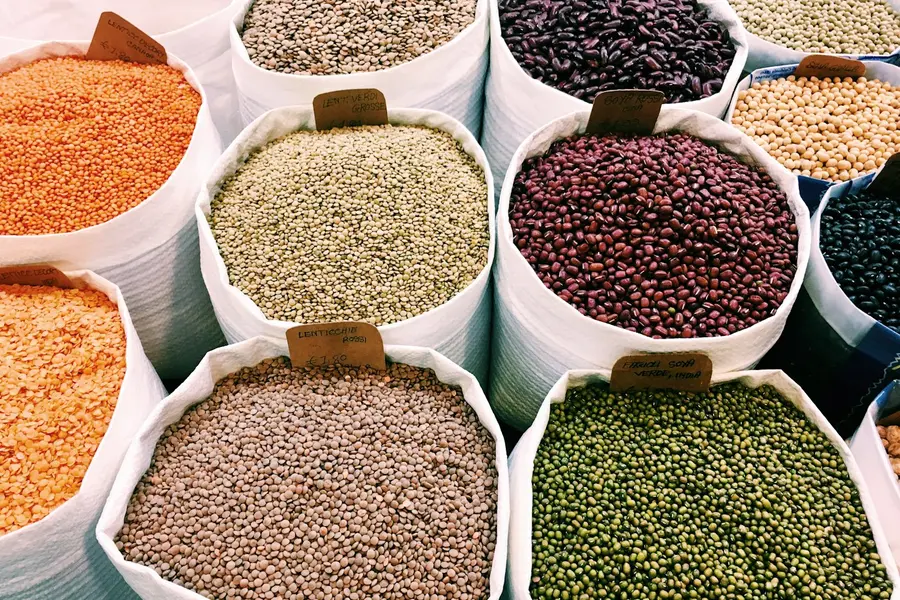
If you have ever felt that eating well only counts if you overhaul everything at once, this study is a quiet counterweight. The benefit here was measured per one step up in diet quality — the everyday plate, scored a little better and held for years. That is not an exotic superfood, a rigid plan or an import. It is beans, vegetables, fruit and real meals, in a cohort of Brazilians, on Brazilian plates, over eight years.
The finding also matters because of where it was done. Most diet-quality research comes from North American and European populations. This one followed more than 12,000 Brazilian adults, so the foods and the pattern reflect the reality of the audience it speaks to — and the pattern was still there.
What the study can't tell us
The study also has practical limits worth naming. About 17% of participants dropped out over the follow-up, and those who left may have differed from those who stayed. Diet was measured by questionnaire, which depends on people's memory and honesty about what they eat. And although the researchers quantified how much of the effect traveled through BMI, they did not identify what carried the rest — other pathways remain unmeasured here. I am working from the study record and the finding as reported; I could not review the full abstract's details beyond it.
What this means for your plate
The finding itself points to one ordinary step up in the everyday plate — the foods this study's scores reward, such as beans, vegetables, fruit and whole foods rather than packaged snacks — held not for a week but for years, with much of the protection traveling through steadier weight. That is all this study says, and it says it quietly: no exotic imports required. For decisions about your own risk of diabetes, a qualified clinician is the right person to ask.
The film
Prefer to watch it? The short film version of this study is on YouTube.
Watch on YouTube →Questions people ask
How big was the reduction in diabetes risk?
For every meaningful step up (1-SD increase) in diet quality, new type 2 diabetes cases fell by 5% on the GDQS score, 6% on the GDR score and 7% on the AHEI score, all with p<0.001.
Who was studied?
12,254 adults aged 35–74 from ELSA-Brasil, a Brazilian cohort; 56% were women. After about 17% dropped out, 10,189 people had complete follow-up data over an average of 8.2 years.
Does this prove that better eating prevents diabetes?
No. This was a prospective cohort study, which shows that better diet quality and fewer new diabetes cases went together over eight years. It cannot prove cause and effect, because people who eat better may differ in other ways the study could not fully adjust for.
What role did body weight play?
The researchers estimated how much of the diet effect was mediated by BMI: 39.6% for GDQS, 74.8% for GDR and 59.4% for AHEI. Much of the protection appeared to travel through steadier weight, but the rest ran through pathways the study did not identify.
Follow the evidence
One study at a time. Evidence, not fads.
Every day I read the new research on food and health, keep what holds up, and say plainly what it does not show.
Educational, not medical advice — talk to your doctor before changing your diet or medication. Medical disclaimer
More research
 Phase 3 RCT
The gut reset that failed its biggest test
Donor stool transplants matched placebo in a 450-person IBS trial. What the tie actually tells us about… more
 Meta-analysis
87 trials point to a whole-grain sweet spot: 4 to 6 servings a day
Pooling 87 randomized trials, researchers found a whole-grain sweet spot of 4–6 servings a day, improving… more
 Meta-analysis
Psyllium — not fiber in general — helps IBS, largest review in a decade finds
Thirty trials, 1,904 adults: psyllium lifted IBS response odds by about half again, while wheat bran failed… more